Vinyl, Aluminum and Formstone: Is a Re-Sided Victorian Still a Victorian?
A great many Victorian ladies wear a newer coat. What the National Park Service says about covered siding, why her window trim matters most, and the honest words for a lady in disguise.

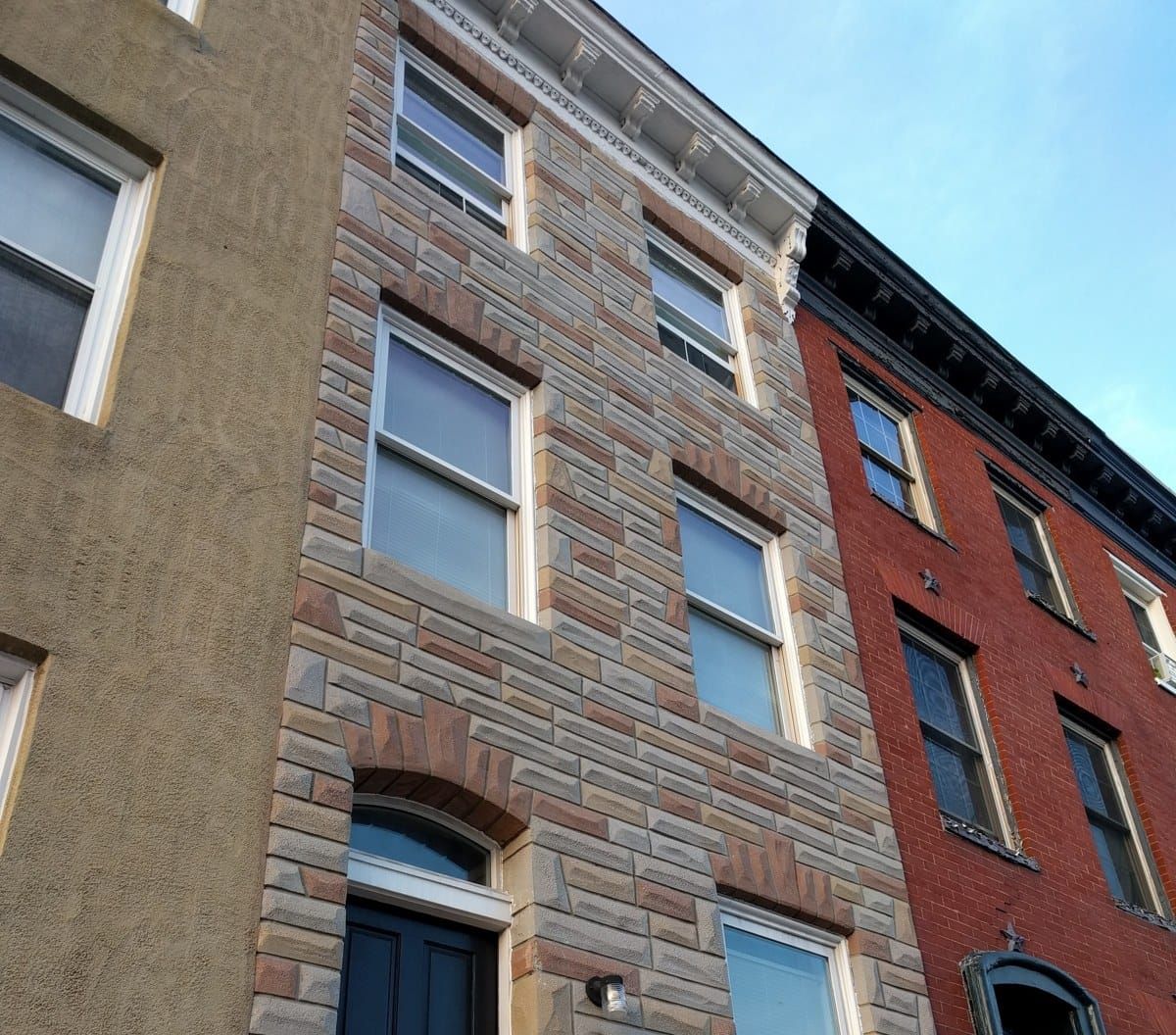
Dearest reader, a great many Victorian ladies wear a newer coat: vinyl, aluminum, engineered siding, even Formstone. Whether she is still a Victorian underneath is a fair question, and the answer from the National Park Service is a hopeful one, with conditions. Let me take you through them.
What the Park Service means by integrity
When the Park Service weighs a property for the National Register, it asks about integrity, which its Bulletin 15 defines as "the ability of a property to convey its significance", judged on seven aspects. For a judgement of style, a property "must retain most of the physical features that constitute that style", in its massing, proportion, window pattern, texture and ornament.
Covered siding is not the end of her
Here is the hopeful part. Bulletin 15 says covered siding does not by itself disqualify a building, "if the significant form, features, and detailing are not obscured". The Park Service's review of non-historic exteriors warns that vinyl, aluminum and engineered siding "may radically change appearances, especially when architectural ornamentation is also removed", and yet it cites Sagamore Village in Portland, Maine, and Formstone-clad Baltimore rowhouses as still eligible, because their form and the pattern of their windows survive.
Mind the trim
The condition is her trim. Local documents citing the Park Service's Preservation Brief 8 name lost window trim as one of the most significant harms of covering a house in new siding, and say the Brief gives no blanket support for vinyl. Reviews in Oak Park and Detroit treat window trim and corner boards as character-defining, and Virginia's regulations link lost materials to lost evidence of workmanship. So when I meet a lady in vinyl, I look first at the frames of her windows and the boards at her corners. They are her pearls, and I want to know whether she is still wearing them.
What a newer coat costs each lady
How much a new coat costs her depends on her style. Where a style is defined by its wall surface, re-siding costs her the texture of her materials: the mixed textures of a Queen Anne, the shingle skin of a Shingle, the stickwork of a Stick, the board-and-batten of a Carpenter Gothic and the masonry of a Richardsonian. The same is true of any lady whose corner boards and window and door trim have gone.
On the clapboard styles, the Italianate, the Folk Victorian, the Second Empire and the Octagon, lap siding keeps her texture only if her window and door trim survives. That is my own guide's reading of a Park Service example, not a Park Service rule, and I say so plainly.
For two ladies the coat can be fatal. Re-siding or stripping that removes or covers a Stick house's stickwork takes her name, because her defining feature is the wall surface itself, and shingles replaced by lap siding take the Shingle lady's. Vinyl shingle panels on a Shingle house cost her texture, and then I will only say that she appears to be one.
Windows, porches and paint
Replacement windows set in the original openings are noted, and the pattern of her windows survives; openings that have been enlarged, closed or added lose it. Lost window crowns, hoods or pointed heads are lost ornament. A porch rebuilt with plain posts and rails in place of Victorian trim is lost ornament too, following Preservation Briefs 17 and 45. New trim that copies her style still counts for her, but if every piece of her trim is new, I cannot call her by her style with full confidence. And paint over masonry costs a masonry style its texture.
Honest words for a lady in disguise
My guide borrows Bulletin 15's own terms for the honest description. If her trim survives under new siding, she retains her Queen Anne character, or her Italianate character, as the case may be. If her massing and windows survive but her detailing has changed, she is a "Queen Anne form with altered detailing". And if only her basic shape survives, having lost the majority of her stylistic features, the style has gone with them, and the honest words are a Victorian-era house whose original style is no longer evident. Such a house I do not publish as a Victorian of any style.
What no photograph can tell you is the original material under newer siding, or whether her trim is original or a reproduction. Bulletin 16A even asks those who prepare nominations to record historic and non-historic materials separately, conceding that a house's present skin may not be her first. So when a newer coat hides a great deal, the kindest thing is to ask what lies beneath it.
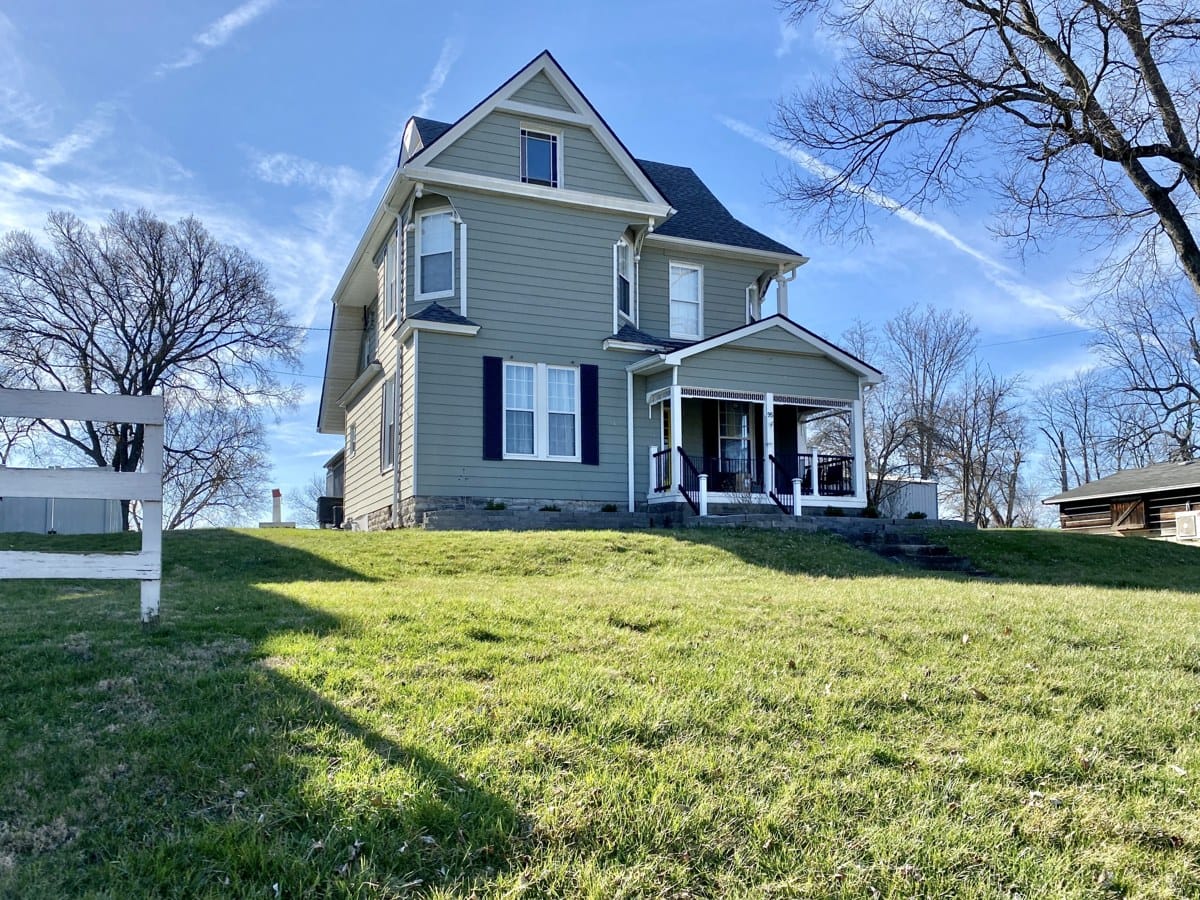
Should you like to meet the ladies who have kept their trim, dearest reader, do join me. It is free, and I tell you plainly in every letter what each lady is wearing.
Hopeful as ever, whatever coat she wears,

Sources: National Register Bulletin 15; National Park Service, Best Practices Review: non-historic exteriors; City of Rochester, siding guidance; Des Moines council communication 16-563; Virginia Administrative Code 17VAC10-20; National Register Bulletin 16A.