How the National Register Names a Victorian House's Style, and How to Read a Listing the Same Way
Nobody takes a lady's name more seriously than the National Register of Historic Places. How it writes a house's style, the word it forbids, and how to borrow its manners when you read a listing.

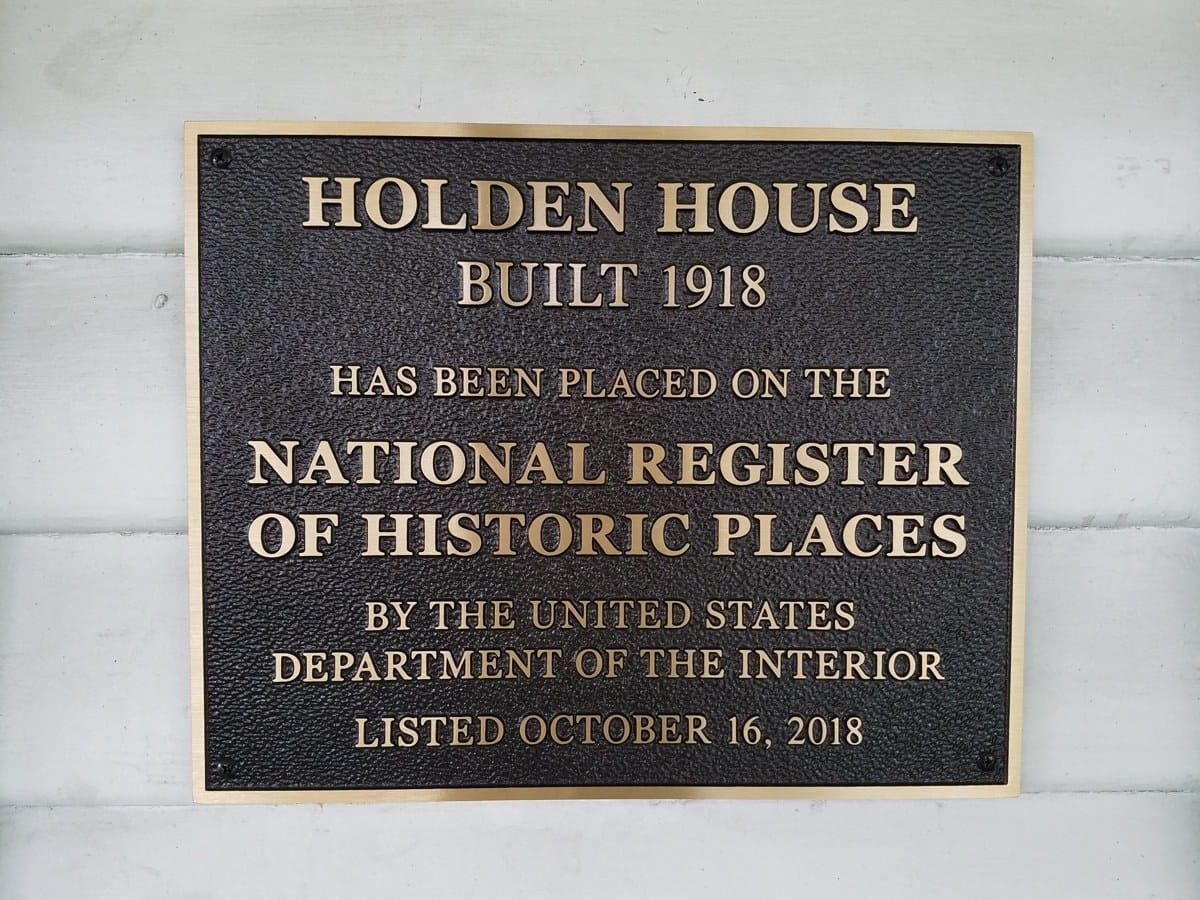
Dearest reader, a lady's name matters, and nobody takes names more seriously than the National Register of Historic Places. Its manners are excellent, and I borrow them without the least embarrassment whenever I read a listing.
Period first, then style
The National Park Service's Bulletin 16A, its guidance on documenting a property, asks for a house's "architectural styles or stylistic influences", the most important first. Nominations write the result as a period and a style together, such as "LATE VICTORIAN/Queen Anne". A family name, then a given name: the Register is nothing if not well bred.
In Bulletin 16A, the Late Victorian period includes the Gothic, the Italianate, the Second Empire, the Queen Anne, the Stick/Eastlake, the Shingle Style, the Romanesque and the Renaissance. National Register records keep STICK/EASTLAKE as an official category, and Bulletin 16A lists "Queen Anne-Eastlake" and "High Victorian Eastlake" only as alternate terms. Since preservation writers dispute Eastlake as a style, I take the careful course: I name the body, Stick or Queen Anne, and add "with Eastlake detailing".
When no style fits
When "no specific style or stylistic influence is apparent but the general characteristics of the period are present", the period alone will do. Folk buildings may be written "other:" with a form term, such as I-house. When nothing fits at all, the answer is "No style". And "MIXED" is kept for a house with more than three styles from different periods, which must be quite a sight at a garden party.
The forbidden word
Bulletin 16A forbids the bare word "vernacular", because it "does not describe any specific characteristics". I applaud it. "Gingerbread" is not in the Register's vocabulary either; it covers both sawn bargeboards with a Gothic feeling and turned Queen Anne spindles. And "historic" in a listing carries no style information and implies no designation at all.
A listing's own style field is weaker still. The RESO Data Dictionary, the industry's shared vocabulary, defines its architectural style field as a free multi-select list with no controlled national values, and the architect Arrol Gellner says style terms are "used wrongly more often than not", especially by agents. He likens "Victorian" to calling a car "postwar", which made me laugh aloud over my morning tea.
Hedged names, honestly used
Nominations are not afraid of a hedge. A Georgia nomination describes a Queen Anne cottage with Folk Victorian detailing, and another uses "Queen Anne Vernacular" for simplified houses that keep their bays and verandas. Tacoma calls its small vernacular Queen Annes Folk Victorian, and treats the Free Classic as a transition toward the Colonial Revival. No state preservation office publishes a formal scale of confidence, so the scale I use is a synthesis of these habits, and here it is.
The wording I use
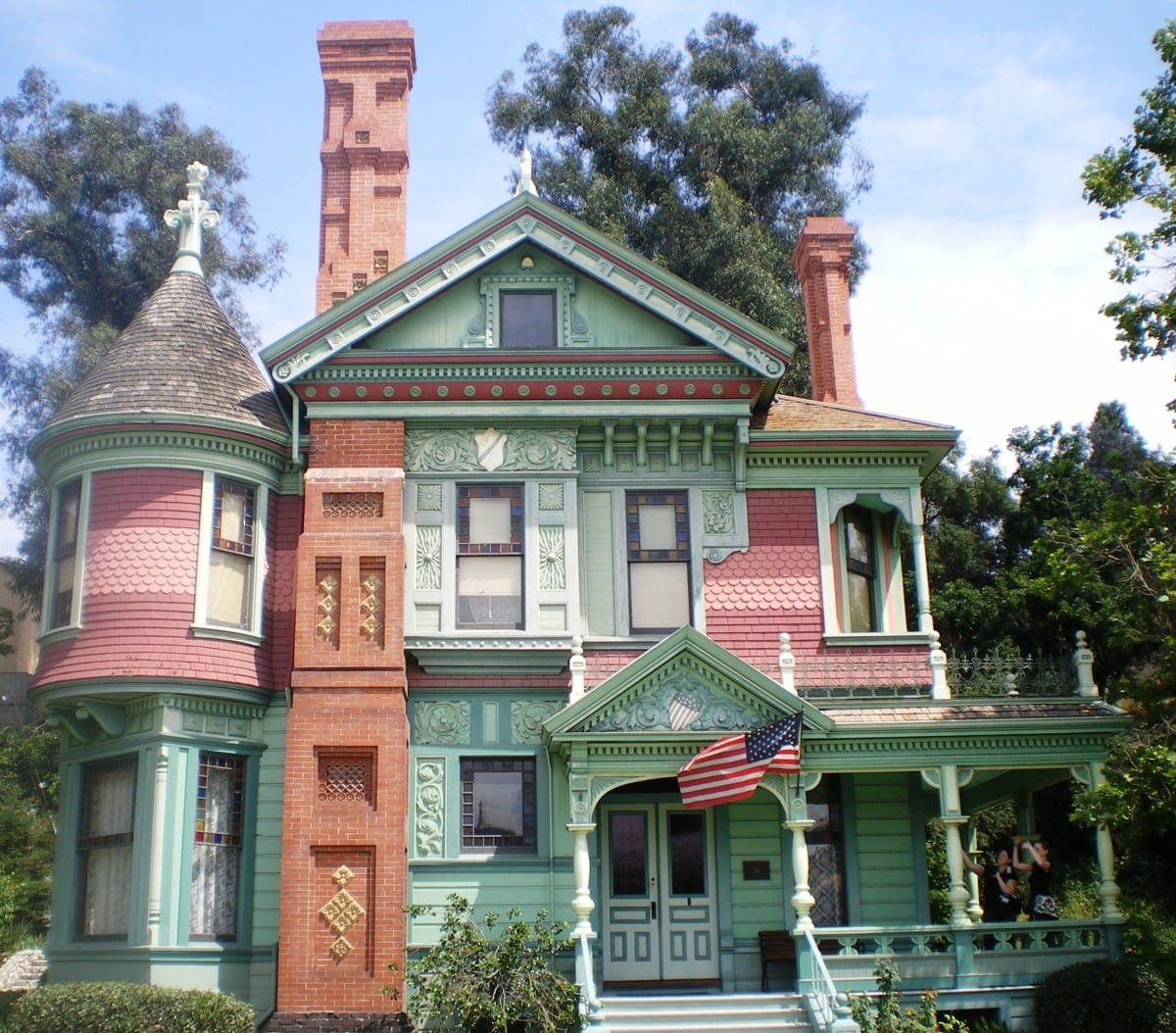
When a lady passes every one of my tests, her deciding feature clearly visible and most of her character intact, I name her outright: a Second Empire beauty. When she passes but one check cannot be made, perhaps her side is hidden, her siding may be new or her date is suspect, she "appears to be" a Queen Anne or "reads as" Italianate. When she passes for her main style and also shows another style's details, she is, for example, a Victorian with Queen Anne details. And when no style's tests are met but she still shows at least three distinct Victorian features on her own outside, one of them ornament, she is a Victorian-era home, and I give her no style name at all.
Three rules above all the rest
Three rules sit on top of that scale. I attribute what I cannot verify: "listed as built in 1900", or "the listing calls her a Painted Lady". I never raise a lady's name because her listing text names a style. And I let regional fit lower my confidence without vetoing a name: a Second Empire or a Stick in the Deep South deserves a second look, while the Queen Anne is plausible almost anywhere.
Even the year deserves the Register's caution. Bulletin 16A treats a construction date as a fact to be established from deeds, wills, the census and newspapers, and it allows "circa". A listing's year is a hint and nothing more. A lady's name, darling, is earned in her photographs and never in her paperwork. To see every style's deciding feature at a glance, visit my field guide, Is It Victorian?
If you would like every lady I introduce named with this much care, do join me, dearest reader. It costs nothing, and you may leave whenever you please, though I hope you will not.
With every title duly earned,

Sources: National Register Bulletin 16A; National Register nomination 90000748; Texas Historical Commission, National Register styles updated 2018; Georgia National Register nomination; National Register nomination 94001636; City of Tacoma, Architectural Styles; RESO Data Dictionary, ArchitecturalStyle; Arrol Gellner, Architectural style sleuthing.